
Lead sheet in art and historic preservation
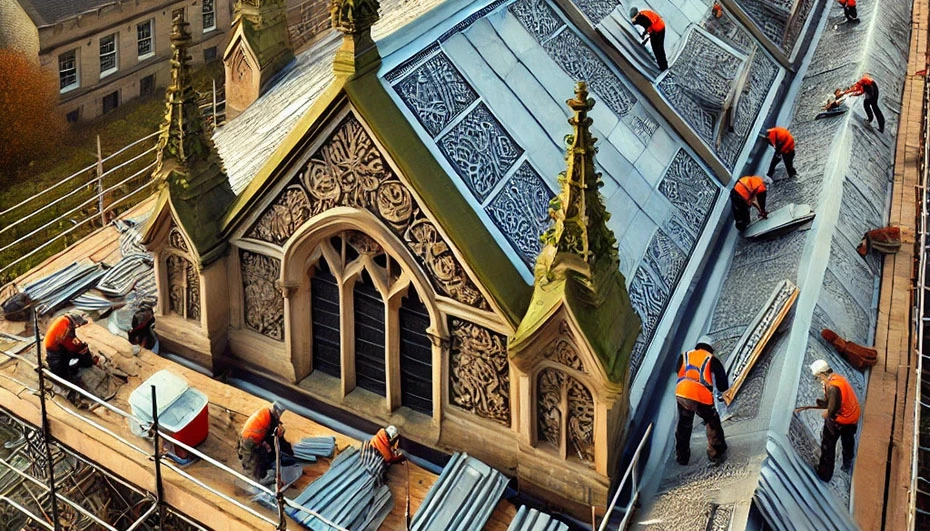
Lead sheet has played an incredibly important role in architecture and art for centuries. Its unique physical and chemical properties made it a popular material in both religious and secular construction. It was often used as a roofing material, for decorative elements, and in stained glass window constructions. Today, in the preservation of historic buildings, conservators continue to use lead sheets, striving to maintain the original techniques that were employed in the construction of these old structures.
In this article, we will explore the history of lead sheet in architecture, its properties, its modern application in historic preservation, and the challenges faced by contemporary conservators when working with lead materials.
The history of lead sheet in architecture
The origins of using lead in construction
Lead as a building material has been known to humanity for thousands of years. As early as ancient Rome, it was used in water supply systems, sewage infrastructure, and even for roofing. However, the true flourishing of lead usage came during medieval Europe, where lead sheets gained popularity, especially in religious architecture. Cathedrals, churches, and castles were often covered with lead, which, thanks to its durability and malleability, was ideal for forming intricate roof shapes and architectural details.
Lead sheet in Renaissance and Baroque art
During the Renaissance and Baroque periods, lead sheet became an essential component of large architectural projects. It was widely used not only for roofing but also in the form of sculptures, decorative details, and as a material for creating elements like towers, spires, and ornaments. Many artists of these eras took advantage of lead’s malleability to craft intricate decorations that emphasized the grandeur and magnificence of the buildings. In cathedrals, castles, and palaces, lead sheets became an integral part of both the structural and artistic design.
Famous landmarks with lead elements
Among the most famous landmarks that utilized lead sheet, there are many notable buildings throughout Europe. The Notre-Dame Cathedral in Paris is one of the best examples of the use of lead in roof construction. In Poland, the Royal Castle in Warsaw, along with numerous churches and cathedrals, also had roofs covered with lead. Lead sheet was not only used for roofing but also in smaller elements, such as sculptures, statues, and stained glass decorations, making it an important part of Europe’s architectural heritage.
Physical and chemical properties of lead sheet
Durability and resistance to weather conditions
One of the most important characteristics that distinguish lead sheet is its remarkable durability. Lead is highly resistant to corrosion, making it an ideal material for outdoor use, especially in areas exposed to changing weather conditions. Unlike other metals, lead does not rust, ensuring the longevity of structures that incorporate it. As a result, roofs covered with lead sheet can last for hundreds of years without the need for replacement.
Malleability and ease of processing
Lead, as a soft and malleable material, is easy to work with. Lead sheets can be easily bent and shaped, making them an ideal material for creating complex architectural forms. This quality allowed lead sheets to be used on roofs with unusual shapes, such as domes or spires. Additionally, lead is a material that can be easily repaired, which makes it an excellent choice for the restoration of historic buildings. Its ability to be reshaped and reused helps conservators maintain the original design of historic structures.
Toxicity of lead
However, lead also has its drawbacks. It is a toxic material that can pose health risks, particularly to those working with it regularly. During restoration projects involving lead sheets, it is essential to follow strict safety protocols to avoid negative health impacts on workers and building occupants. As a result, the use of lead is now heavily regulated, requiring protective measures to be in place during its handling and installation. This ensures that while lead remains a valuable material in historic preservation, it is used safely and responsibly.
The use of lead sheet in historic preservation
Lead sheet on roofs
For centuries, lead sheets have been one of the most important materials used for roofing, particularly in sacred buildings like churches and cathedrals. Their durability and water resistance made them the ideal choice for covering large roof surfaces. Lead sheet also had additional advantages – its malleability allowed for the formation of complex shapes, which was crucial for roofs with domes, towers, or spires.
Today, during the restoration of historic buildings, conservators frequently turn to lead sheets to recreate original roofing. An example of this can be seen in the restoration of cathedral or castle roofs, where conservators strive to preserve as much of the original technology and materials as possible. By using lead sheets, they maintain the architectural integrity and authenticity of these iconic structures, ensuring that the roofs will continue to endure for generations.
Decorative elements made of lead sheet
Lead was also widely used as a decorative material in architecture. Lead sheet was employed to create ornamental details such as turrets, spires, sculptures, and decorative motifs. Many of these elements have survived to this day and remain an integral part of historic buildings. Today, during the restoration of these landmarks, conservators work to recreate these details with the utmost precision, using traditional lead-working techniques. This careful attention to detail ensures that the original craftsmanship and aesthetic qualities of the buildings are preserved for future generations.
Lead in stained glass windows
Lead sheets also play a crucial role in the construction of stained glass windows. Due to its malleability, lead was perfect for creating the frameworks that held the glass pieces together, forming a unified artwork. Stained glass windows were commonly used in the windows of cathedrals and churches, and their longevity is largely thanks to the use of lead. Modern stained glass restoration continues to rely on lead sheets to preserve the original character of these works of art, ensuring that the integrity and beauty of the windows remain intact for future generations.
Gutters and water drainage systems
In the Middle Ages and later centuries, lead sheets were also commonly used in water drainage systems. Gutters and downspouts made of lead were not only durable but also highly resistant to corrosion. Today, during the restoration of historic buildings, these elements are often recreated using lead sheets to ensure consistency with the original construction techniques. By maintaining the authenticity of these drainage systems, conservators help preserve both the functional and historical integrity of the buildings.
The process of restoring historic buildings using lead sheet
Restoring historic buildings with elements made from lead sheet is a process that requires proper preparation and expertise. Every restoration project begins with a thorough assessment of the building’s technical condition, including the condition of its lead elements. It is essential to determine which parts can be preserved and which require replacement or repair. This evaluation is crucial in planning the restoration work, ensuring that original materials are retained wherever possible, while damaged sections are accurately reconstructed using traditional methods and techniques. By carefully balancing preservation with necessary repairs, conservators maintain the historical integrity of the structure while extending its longevity.
Sourcing materials consistent with historical technologies
In restoration work, it is crucial to source materials that align with historical technologies. Lead sheets used in renovations must closely resemble those originally used in the building’s construction. Modern technology allows for the production of lead sheets with properties that are similar to those used centuries ago. This ensures that the restored elements not only match the visual and structural integrity of the originals but also maintain the authenticity and historical accuracy of the building. Using materials faithful to the past helps to preserve the cultural and architectural heritage of the structure.
Conservation work
Installation work is carried out manually by skilled craftsmen, who often need to combine traditional techniques with modern tools. In the case of decorative elements such as sculptures or ornaments, exceptional precision is required to preserve the original designs and forms. Lead sheet, while malleable, demands expertise and experience to be properly installed and secured. The craftsmen must handle the material with care, ensuring that it is both functional and aesthetically true to the original. This delicate balance between preserving historical details and ensuring the long-term durability of the structure is a key aspect of restoration projects involving lead sheets.
Challenges in conserving lead sheets
Technical and structural issues
Working with lead sheet often presents technical challenges. The sheet can suffer mechanical damage such as cracks, deformations, or even corrosion, particularly in older structures. Roofs, which are especially exposed to harsh weather conditions, require constant monitoring of their technical condition. Regular maintenance and timely repairs are essential to prevent further deterioration. The softness of lead makes it vulnerable to physical stress, and ongoing care is needed to ensure the material’s longevity in architectural applications. This means that conservators must remain vigilant, conducting routine inspections to address any emerging issues before they compromise the structure.
Ecological and health challenges
One of the biggest challenges associated with lead sheets is their toxicity. Lead is a harmful substance, which means that conservation work involving its use must be conducted under strict safety conditions. Workers involved in restoration must be equipped with special personal protective equipment (PPE), and the processes of handling and working with lead must follow stringent regulations. These precautions are essential to prevent exposure to toxic lead particles, which can pose serious health risks. Additionally, careful disposal and environmental protection measures are necessary to minimize the ecological impact of using lead in restoration projects.
Summary
Lead sheet is a material that has played a pivotal role in architecture throughout the centuries. Its durability, malleability, and resistance to weather conditions have made it, and continue to make it, a crucial material in the restoration of some of the world’s most important historic buildings. Despite the challenges posed by its toxicity, lead sheets remain one of the most significant materials used in the conservation of architectural heritage. With the right working methods and modern technologies, these unique elements can be preserved for future generations, ensuring that their historical and cultural value endures for centuries to come.


